Tough Positions
Six rules for surviving defensive situations
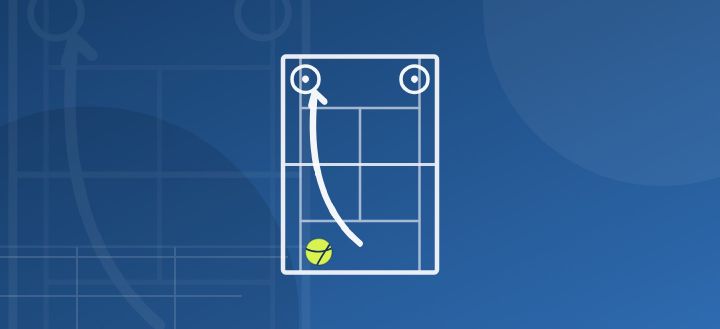
Learning to hit from tough positions was a chapter I lived in - my movement was never top-shelf. These are the rules that kept me in points.
Six basic rules
-
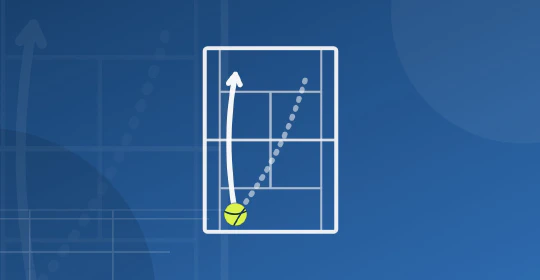
Watch your depth. The deeper you hit, the fewer chances the opponent gets to attack - and the fewer tough positions you face next.
-
Practice defensive shots often. Better opponents attack better and get you off balance more. Groove:
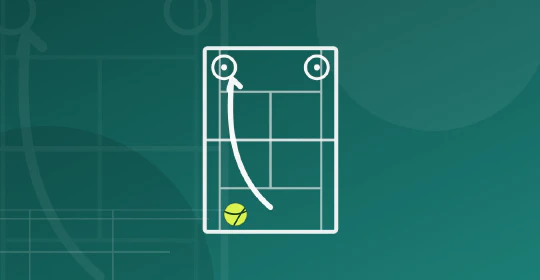
- Deep cross-court
- Lob over the backhand side
- Dipper
- Defensive slice
-
When in trouble - defend. Do not try to brilliance your way out of every hole. Survival first; offense when the ball allows.
-
Keep the ball out of their strike zone. High backhands, low slices, short angles, heavy spin - steal 10-15% of their best contact and their ball quality drops.
-
Don’t kid yourself about the return. The return is often the ultimate defensive shot. Practice it often; make it super consistent.
-
Do crazy feeding drills. Ask the coach (or a partner) to feed as randomly as possible. Goal: thirty balls back from weird spots.
Defense day rule: you are not allowed to get angry about being attacked in practice. Being attacked is the drill. See Detailing Your Practice.
What “tough position” usually means
| Situation | Default job |
|---|---|
| Stretched wide | High, deep, cross-court - buy recovery |
| On the run late | Slice / lob; refuse the hero line |
| Jammed at body | Compact block deep through middle |
| Short ball you didn’t choose | Emergency depth first, then recover |
| Against a finisher at net | Lob early enough that they respect it |
Link to footwork and technique
Tough positions expose whether your transportation system works (Excellent Technique). They also punish impatient changes of direction (Changing Direction).
Key takeaway: Great defense is not passive. It is a trained set of depths, shapes, and decisions that deny the opponent a clean kill - until you can reset the point.